The Psychology Behind Wearing What Feels Right
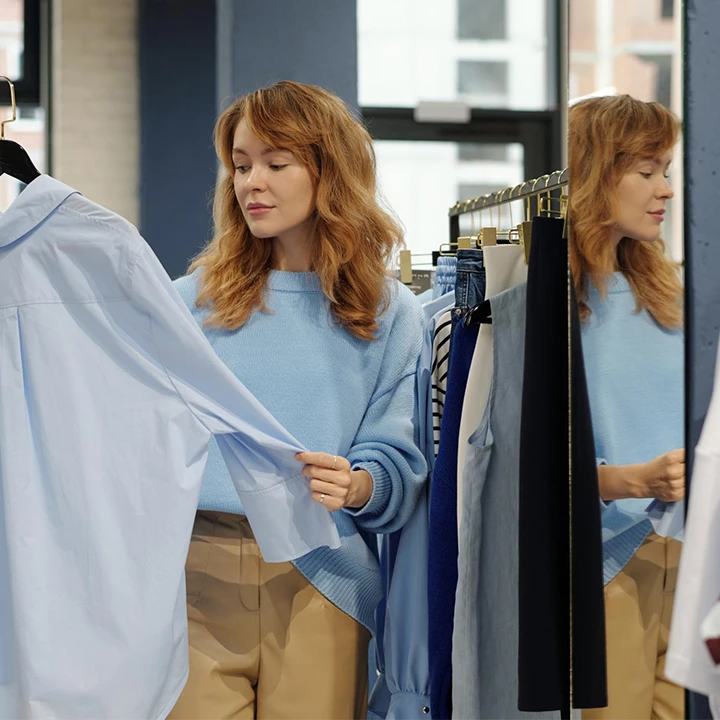
What you wear can influence far more than how you look. Clothing can affect your mood, shape your body language, and even change the way you approach everyday situations. When an outfit feels right, there is often a noticeable sense of ease that goes beyond appearance. You move differently, interact more naturally, and feel more comfortable being yourself. This connection between clothing and emotion explains why personal style is not simply about appearance but also about psychology.
One of the strongest reasons clothing affects confidence is familiarity. When you repeatedly choose certain colours, fabrics, cuts, or combinations that make you feel comfortable, your mind begins to associate them with positive experiences. Putting on something familiar can create a sense of reassurance, especially when you are entering an important or unfamiliar environment. The clothing becomes part of a routine that helps you feel prepared.
Comfort plays an equally important role. Physical discomfort can quickly become a mental distraction. If you are constantly adjusting what you are wearing, worrying about how it sits, or feeling restricted while moving, your attention naturally shifts away from the things that matter. On the other hand, clothing that allows natural movement can help you remain focused and present. Feeling physically at ease creates space for greater mental confidence.
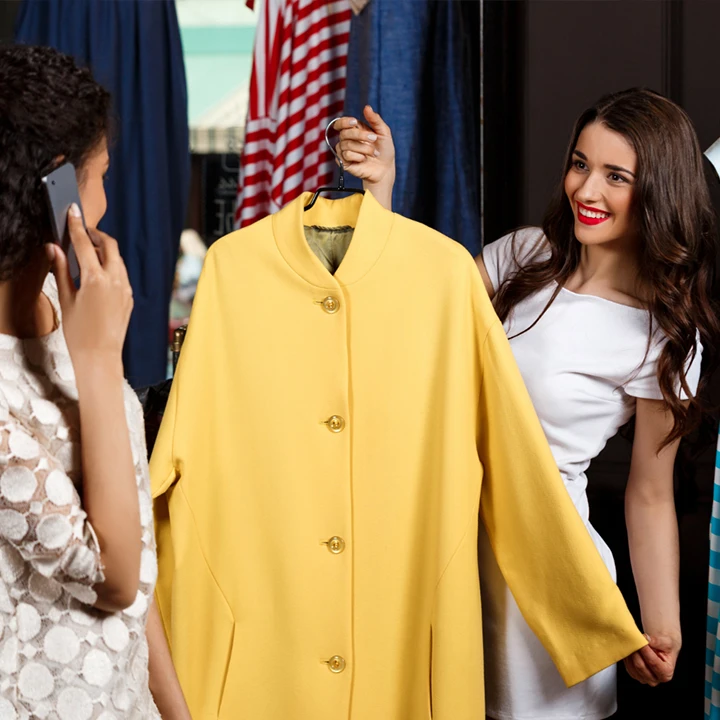
Colour can also influence emotional responses. Different shades can create different impressions and feelings. Softer tones may feel calming, while deeper or brighter colours can create a sense of energy. Personal experiences also shape these associations. A particular colour might remind someone of confidence, relaxation, creativity, or happiness because of memories connected to it. This is why the same colour can create completely different reactions in different people.
The relationship between clothing and identity is another fascinating part of personal style. People often use what they wear to communicate aspects of their personality without saying anything directly. Someone may prefer simple combinations because they value clarity and practicality, while another person may enjoy expressive patterns because they like creativity and individuality. These choices can become a visual reflection of how people see themselves.
There is also a psychological effect known as enclothed cognition, which describes how clothing can influence thoughts and behaviour through both its symbolic meaning and physical experience. When people wear clothing that makes them feel polished, capable, or prepared, they may naturally adopt behaviours associated with those qualities. The clothing does not create confidence on its own, but it can act as a reminder of the qualities a person wants to embody.
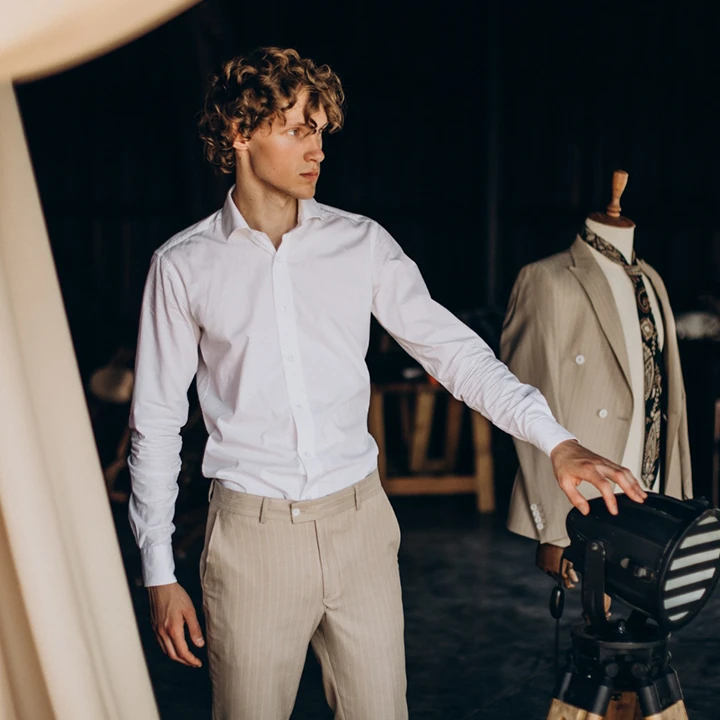
This explains why dressing for a particular situation can change your mindset. Choosing an outfit that feels appropriate for a presentation, meeting, celebration, or casual gathering can help you mentally transition into that environment. The process of getting dressed becomes a form of preparation. Instead of simply changing clothes, you are also preparing your mind for the role you are about to take on.
Personal preferences develop through experience. What feels right today may not always remain your preferred choice, and that is completely natural. As routines, interests, responsibilities, and personalities evolve, clothing preferences can change as well. Developing personal style therefore involves paying attention to how different choices make you feel rather than permanently following a fixed formula.
Social expectations can sometimes make this process difficult. Trends, opinions, and comparisons may encourage people to dress according to what they believe they are supposed to wear. However, constantly prioritising outside expectations can make clothing feel disconnected from personal identity. Confidence often becomes stronger when you learn to separate inspiration from pressure.
This does not mean ignoring fashion completely. Inspiration can be useful when it helps you discover new ideas. The key is to adapt those ideas rather than copying them exactly. A colour combination, pattern, or silhouette can serve as a starting point, while your own preferences determine the final result.
Perhaps the most important lesson is that feeling right matters. An outfit can look impressive but still leave you feeling uncomfortable or unlike yourself. Another combination may appear simple yet give you a quiet sense of confidence that lasts throughout the day. That feeling is worth paying attention to.
Ultimately, personal style is a conversation between the mind and the clothes you choose. Comfort can create ease, familiar choices can provide reassurance, and expressive details can reinforce identity. When you understand these connections, getting dressed becomes more intentional.
The best choices are not always the most noticeable ones. They are the ones that allow you to move through life with greater ease and confidence. When what you wear feels genuinely right, your clothing stops demanding attention and starts supporting the person you want to be.